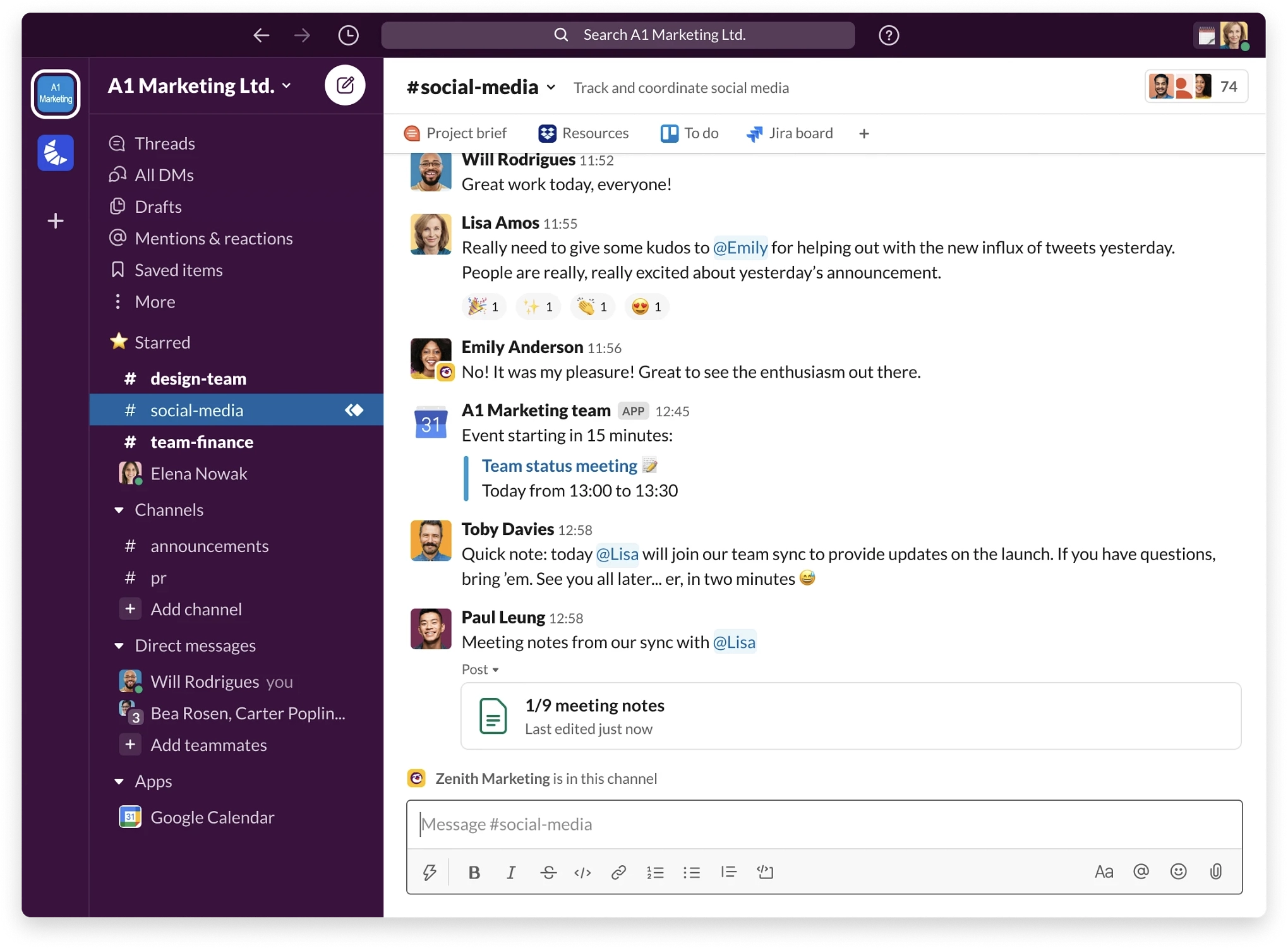
A peer community, a library of design templates, an AI assistant that lives in your Slack, and capped consulting time. Built to complement what your network already does, not replace it.

On one side, denominational networks provide world-class theological vision, training, and coaching. On the other, established marketing agencies build great work for $2,000 to $3,000 a month. The gap in the middle is where most plants live.
of church planters live below the national average household income.
If you can only afford to give a planter one thing, give them other planters to talk to. Everything else compounds from there.
A 10-year Lilly Endowment study of 60+ organizations found peer community to be the single most important factor in sustaining excellence in pastoral ministry.
Built for the operational realities a small-team plant carries every week. Designed to take weight off, not pile more on.
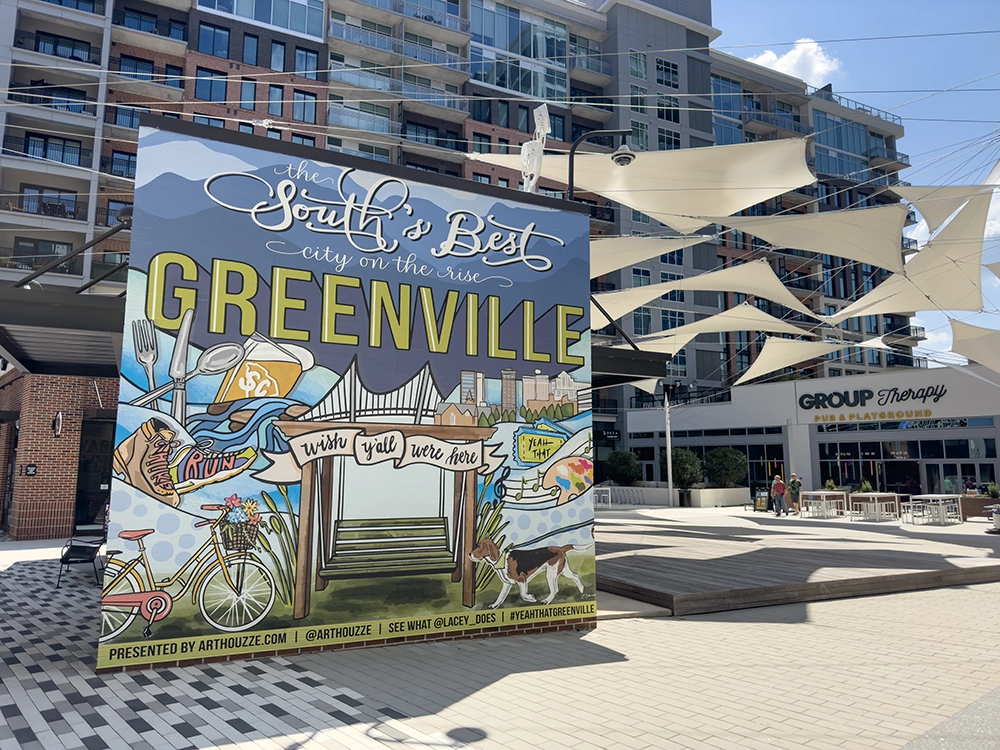
Shared channels for sermon prep, kids ministry, tech help, planters' spouses. City-specific cohorts for Greenville and NYC. Cross-pollination across denominations is part of the value.
Sermon series graphics packs refreshed monthly. Brand starter kits, websites, social templates, kids ministry materials, and policy documents — bylaws, child safety, volunteer handbook.
One-time church profile, then sermon prep briefs, sermon-to-social packs, newsletter drafts, and first-time guest follow-up — all in your church's voice. Data stays private to your church.
Sporadic group office hours when there's something worth gathering around. Quarterly 1:1s. One-business-day async support. Higher tiers add monthly 1:1s and design hours.
A lot of what an agency communications director does in a week — drafting newsletters, writing social copy, prepping sermon graphics, following up with first-time guests — can now be assisted (not replaced) by AI tools that cost pennies per use.
That doesn't make agencies obsolete. It makes a $29-a-month membership realistic where it wasn't before. The math finally works for the people who needed help most and could afford it least.
Roll Sidestreet Church out across your entire network. Invite every church you serve. Pay only for the ones that actively use it.
Roll the platform out to every church in your network. No per-seat onboarding fees, no caps on roster size.
Each church gets the AI assistant inside Slack, the template library, and access to the peer community.
An "active" church is one that actually uses the platform during the month. Inactive churches don't count toward your bill.
We're testing this pricing model in conversations with associations and conventions in 2026. The numbers below are the working concept; final structure will be shaped with launch partners.
Invite every church in your network at no extra cost. You're only billed for churches that actively use the platform during the month. Most churches will never encounter usage limits — the platform is designed for normal ministry use.
Not part of a participating network? Plants can join directly. Pricing is being shaped through conversations with planters — reach out and we'll talk through what works for your context.
For reference: typical church-marketing agencies start at $1,997 to $2,997 per month, with branding fees from $5,000. Most plants are priced out before the first call. Sidestreet Church is built to fit the budgets of plants in their first three years.
A Bible-Belt context with abundant healthy churches, active networks, and a planter-mentoring culture. Cohort meets in person monthly.
Brutal real estate, transient congregations, often co-vocational planters, multi-ethnic and multi-lingual plants. Cohort meets virtually with one annual in-person summit.
No. Existing church-marketing agencies start at around $2,000 a month and price most plants out before the first call. Sidestreet Church is built around the constraint that real plants have $0 to $150 a month, not $3,000. Our other client work makes the math sustainable. The plants aren't the business; they're the ministry.
Networks handle theological vision, training, coaching, and community of faith. Sidestreet Church handles the operational layer — websites, graphics, social, follow-up, sermon prep tools, weekly admin. A planter under your network keeps their primary identity and accountability with you. Sidestreet Church is the scaffolding underneath.
Yes. We're designing this to work both ways — directly with individual plants, and at the network level where an association or convention sponsors access for its member churches. The price points and onboarding paths differ. We'd want to understand what would actually be useful before committing to a structure.
An active church is one that actually uses the platform during a given month — running the AI assistant, downloading from the template library, posting in cohort channels. Networks can invite their entire church roster at no extra cost, and the bill only reflects the churches that actually engage. Inactive churches don't count toward what you pay.
The platform is designed for normal ministry use across churches of every size. A typical small-staff plant might run 30 to 60 AI assistant interactions in a busy week and never come close to a limit. The architecture leans heavily on prompt caching to keep per-church costs low enough that we don't have to gate on routine use. We'll be transparent about caps if they ever apply.
No. Once a church is invited, everything runs inside Slack. Setup is a one-time profile (church name, voice, current sermon series, ministry names, a few writing samples). After that, it's slash commands and natural conversation in DMs.
Each church owns its conversations and outputs. We don't train on member content. Profile data, sermon material, and member follow-ups stay private to that church by default. The only content shared between churches is what a church elects to share — for example, posting a sermon outline to a community channel or contributing a template to a shared library. That sharing is revocable at any time, though we can't reach out and pull back anything already downloaded or saved by another member. This is a non-negotiable, especially for the plants we'd serve in NYC.
Josh Kuhn — founder of Sidestreet, a digital agency in Spartanburg, SC. Previously on staff at First Baptist Spartanburg, New Orleans Baptist Theological Seminary, Vintage Church New Orleans, and Awaken Church Charleston. Today a layperson back at FBC Spartanburg.
Network leader thinking about a pilot rollout? Planter wondering whether this would help? Established pastor with hindsight on what would have made year one easier? We want to hear all of it. A 30-minute conversation, a written reply, even three sentences — all welcome.